Asia

What I Wish I’d Known Before Traveling to Southeast Asia

What I Wish I’d Known Before Traveling to Southeast Asia

Culture shock is both the best and most challenging part of traveling. I often catch myself wondering, “Why doesn’t the US do this?” or “Why is this different?” Completing everyday tasks in a foreign country, such as buying toiletries and sending mail, gives me the biggest sense of accomplishment. There are certain travel tips I learned that helped me along my travels in Southeast Asia. Disclaimer: Southeast Asia is vast, encompassing hundreds of different cultures. These are my personal observations, not universal truths.

Lotions Have Skin Lighteners

In many Asian countries, you’ll notice women wearing sweatshirts, masks, and pants to avoid the sun. Lighter skin is often considered more desirable, so many lotions are labeled as “brighteners” and contain ingredients intended to lighten skin. Just a heads up if, like me, you love having a tan. 

Most of the World Does Not Use Toilet Paper. 

Everybody poops. The difference is where and how. In Southeast Asia, you’ll find both squat and Western-style toilets. Instead of toilet paper, you’ll usually see a sprayer or hose. I’m a fan of bidets, but I still need to dry off. Bring toilet paper with you everywhere, but don’t flush it—use the waste bin instead.

Pro Tip: If you don’t see a flush, look for a bucket. Fill the bucket with water and pour it down the hole or into the toilet bowl. It may take several buckets, but it will go down.

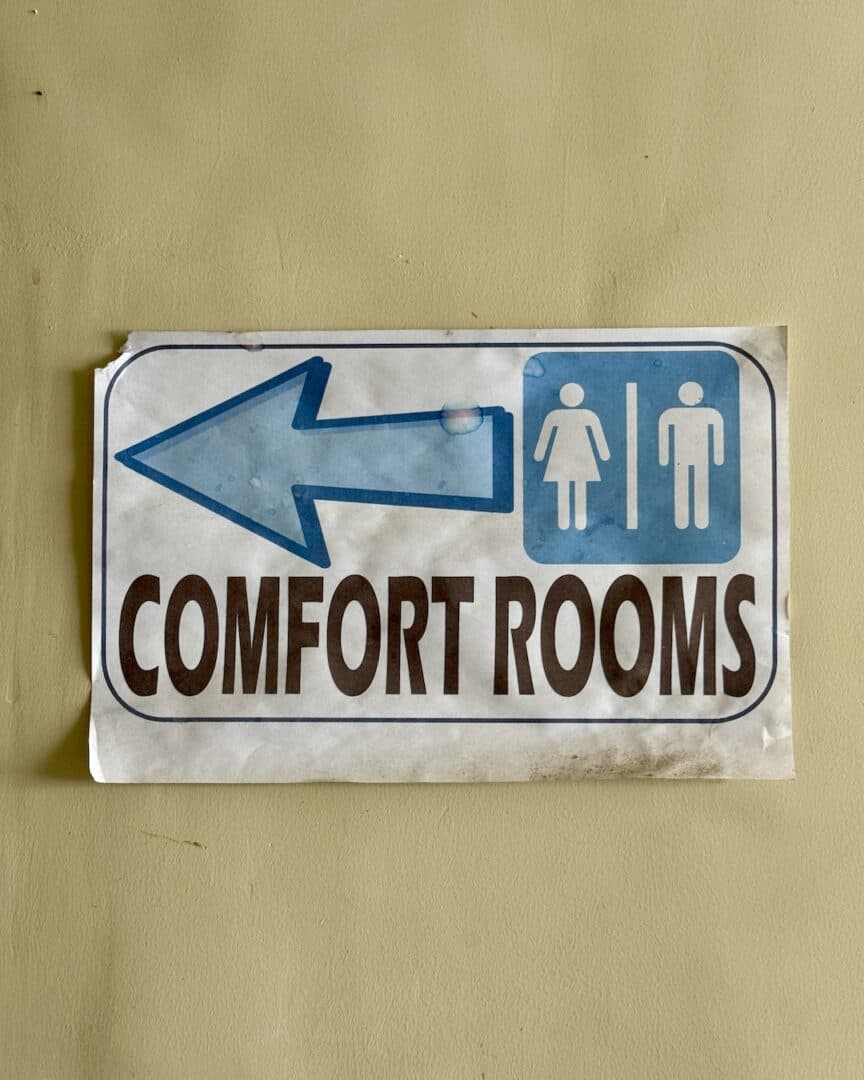
Pro Tip: In the Philippines, bathrooms are referred to as Comfort Rooms.
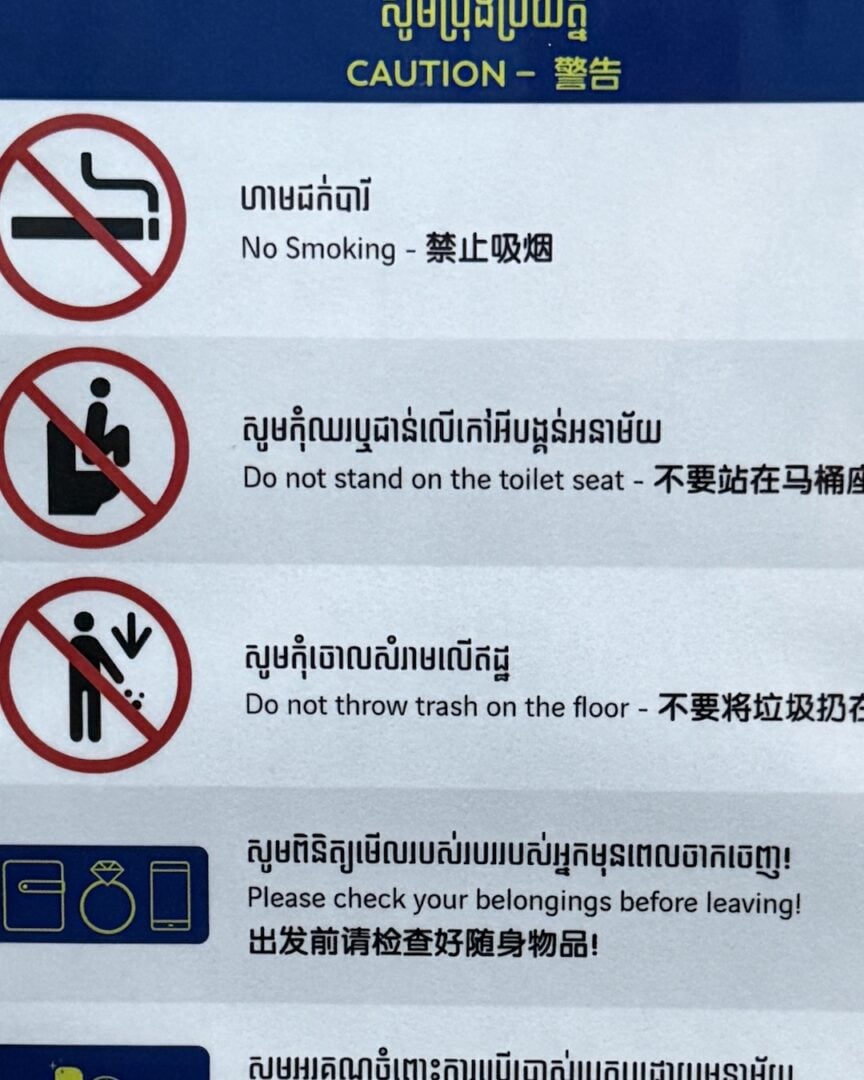
Travel Trips for Southeast Asia
Bathroom Rules
Phillipines Comfort Rooms
Sign for Toilet in the Philippines

Bread Products are Usually Sweet.

Think Hawaiian Rolls. I have a sweet tooth, so I loved it. The majority of sliced bread or bread products are sweetened. Baguettes prove the exception. 

Download the Native Keyboard.

Thanks to Oli for this tip! On a food tour, I wanted to remember the names of new dishes. Instead of writing them in English and using Google Translate later, I handed my phone to my Cambodian guide, who used the Khmer keyboard. Brilliant! If you’re not tech-savvy, don’t worry—it’s an easy setting on your phone. 
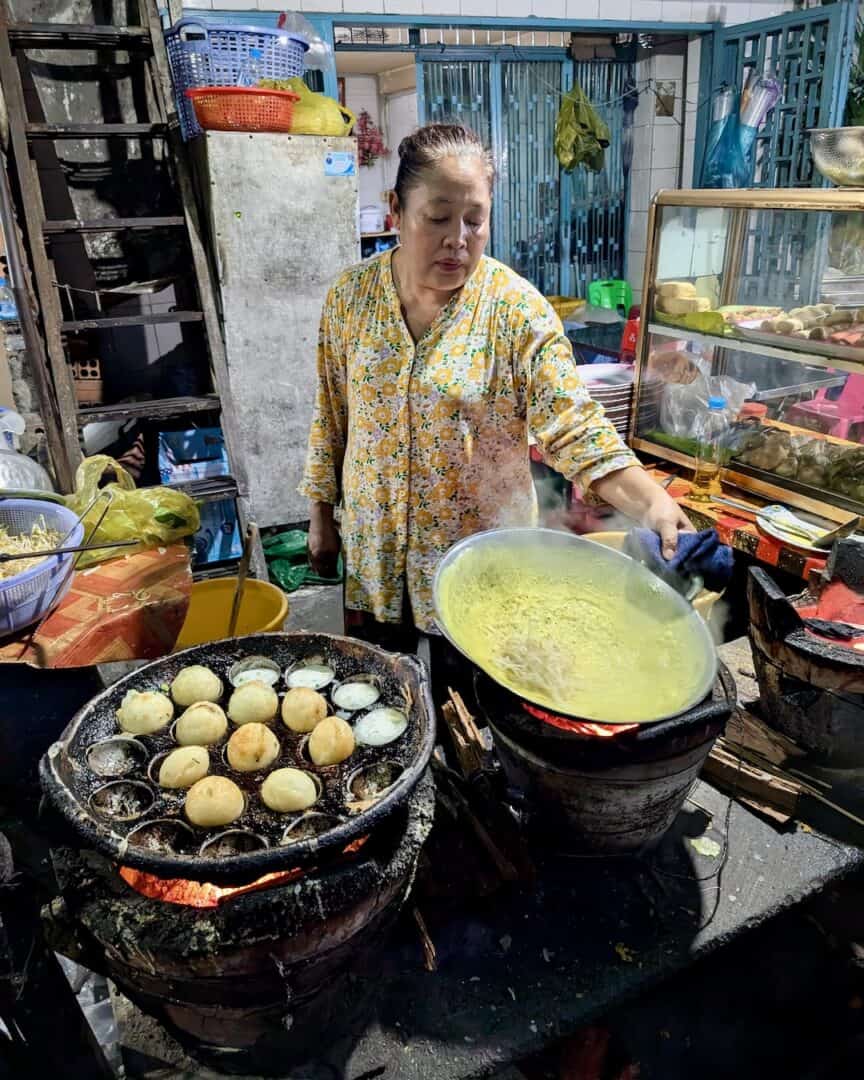
Street food in Phnom Penh, Cambodia
Street Food
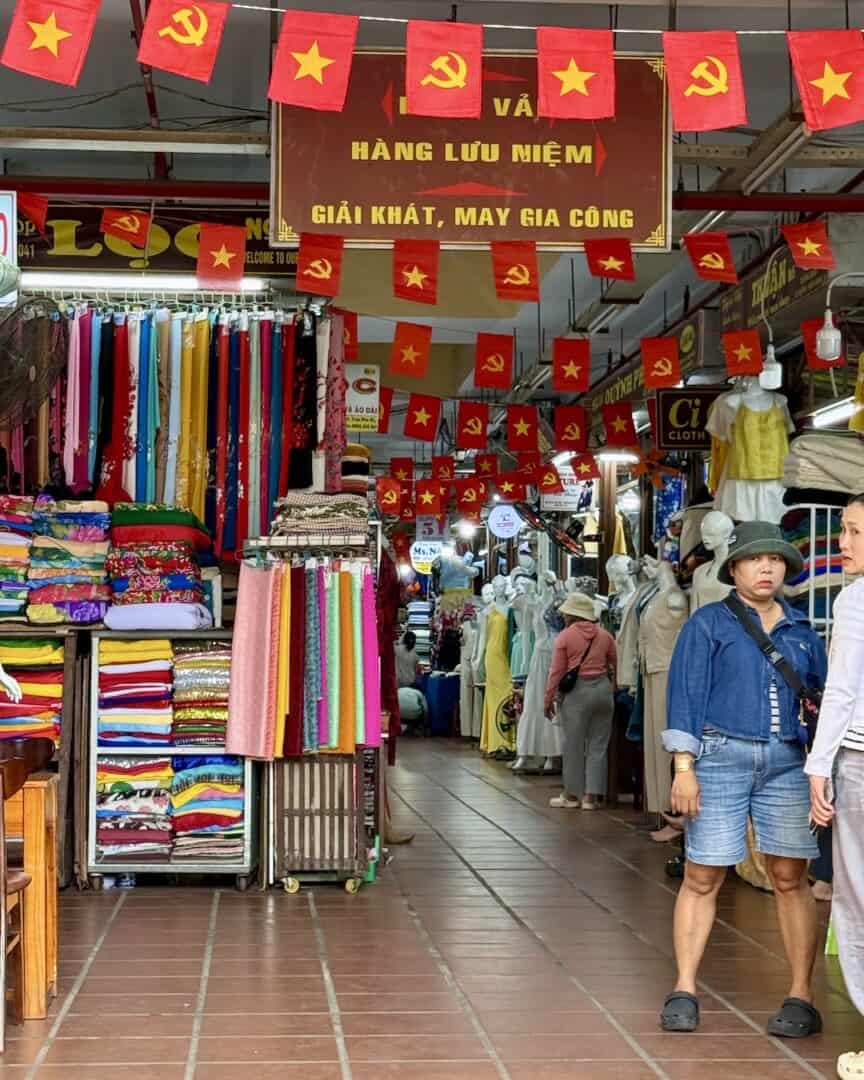
Hoi An, Vietnam
Hoi An, Vietnam

You Don’t Need A Voltage Converter for USB Charging

Here’s a secret: I don’t travel with a universal adapter. 

A voltage converter isn’t required for USB charging. Plug your USB cords into any USB port worldwide—your phone, watch, and computer are good to go, no matter the country. 

Many places now have USB ports. If not, make sure your wall charger matches the local plug type. In Laos, Cambodia, Vietnam, and Thailand, standard 2-prong US plugs work just fine. 

Pro Tip: It is becoming more common for hotels in tourist areas to have a universal plug type. 

What if your device cannot use a USB cord? For me, only my hairdryer and straightener need regular plugs. Most accommodations (99%) provide a hair dryer. I make sure my straightener is dual-voltage (supports both 110V and 220V).  

Here’s a great, straightforward guide to plug types by country.

Late Check-Out and Early Check-In.

In the US, check-out usually occurs at 10 or 11 am, but in Southeast Asia, it’s commonly noon, and check-in is often at 2 pm. I found this throughout Laos, Vietnam, and Cambodia.

Every Country has Ride-Sharing and Food Delivery.

Grab is the most common ride and food delivery app. In Laos, it’s Loca. Indonesia uses Grab and GoJek. Besides cars, you can easily schedule a tuk-tuk or scooter, all through the apps. 

ATM’s are Everywhere, But Cash is King. 

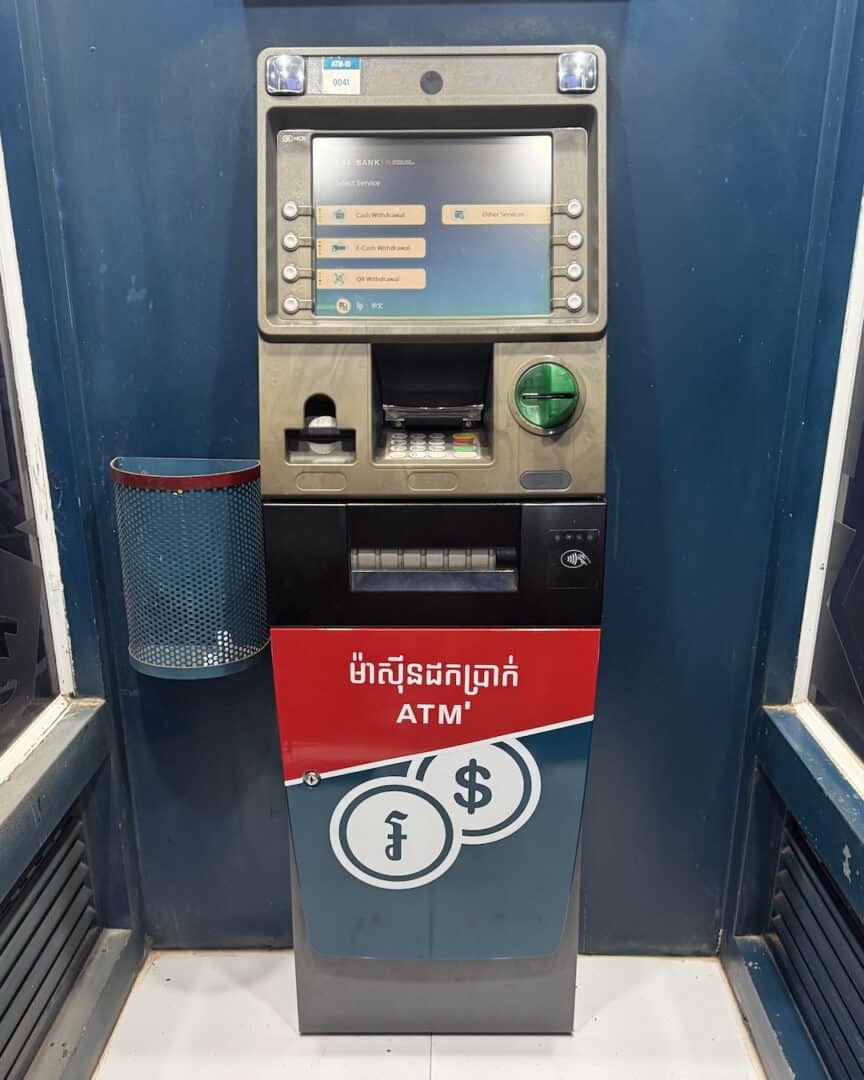
ATMs are everywhere. Even in rural areas, you will see a random ATM on the side of the road. More places now accept credit cards, but usually with a 3% fee, so cash still rules.

Cambodia

Until recently, Cambodia used the US dollar more than its own currency. You can still get both USD and Cambodian Riel from ATMs, and prices are listed in dollars. Lately, Cambodia has been moving away from the USD, but prices remain in dollars. You can pay in either currency, but expect your change in Riel. Pro tip: Only crisp, undamaged USD bills are accepted. They prefer smaller bills.
Travel Tips for Southeast Asia
ATM in Cambodia
Travel Tips for Southeast Asia
Random ATM
Travel Tips for Southeast Asia
More Street Side ATM’s

Southeast Asians Love Their Outdoor Workouts. 

Some parks in the US have outdoor gym equipment, but few people use it. In Southeast Asia, these workout areas fill up in the evening with people of all ages. Groups often meet in parks for an organized workout.

Use Your Phone’s Calculator for Currency Conversions

Game-changer! Many mobile calculator apps have a “Convert” or “Currency” mode. On your iPhone, open your calculator app and tap the calculator icon at the bottom left to access “Convert”, then choose the currency.

Pay for Accommodation Upon Check-Out. 

In many Western countries, you pay for accommodation upfront, but in Southeast Asia, it’s common to pay when you check out. 

The best advice I can share: add Southeast Asia to your bucket list. From taking a night bus in Vietnam to exploring Vientiane, Laos, this region has become my favorite place to travel. 
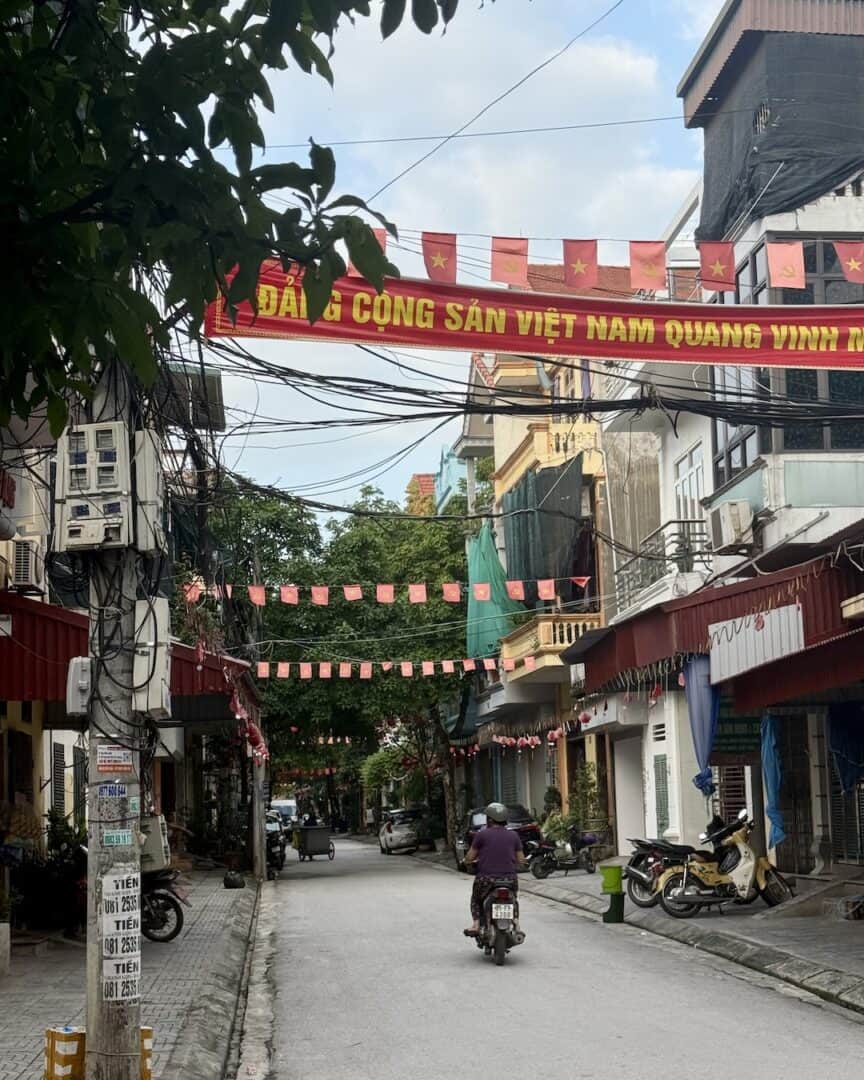
Ninh Binh, VIetnam
Ninh Binh, Vietnam

What I Wish I’d Known Before Traveling to Southeast Asia Read More »
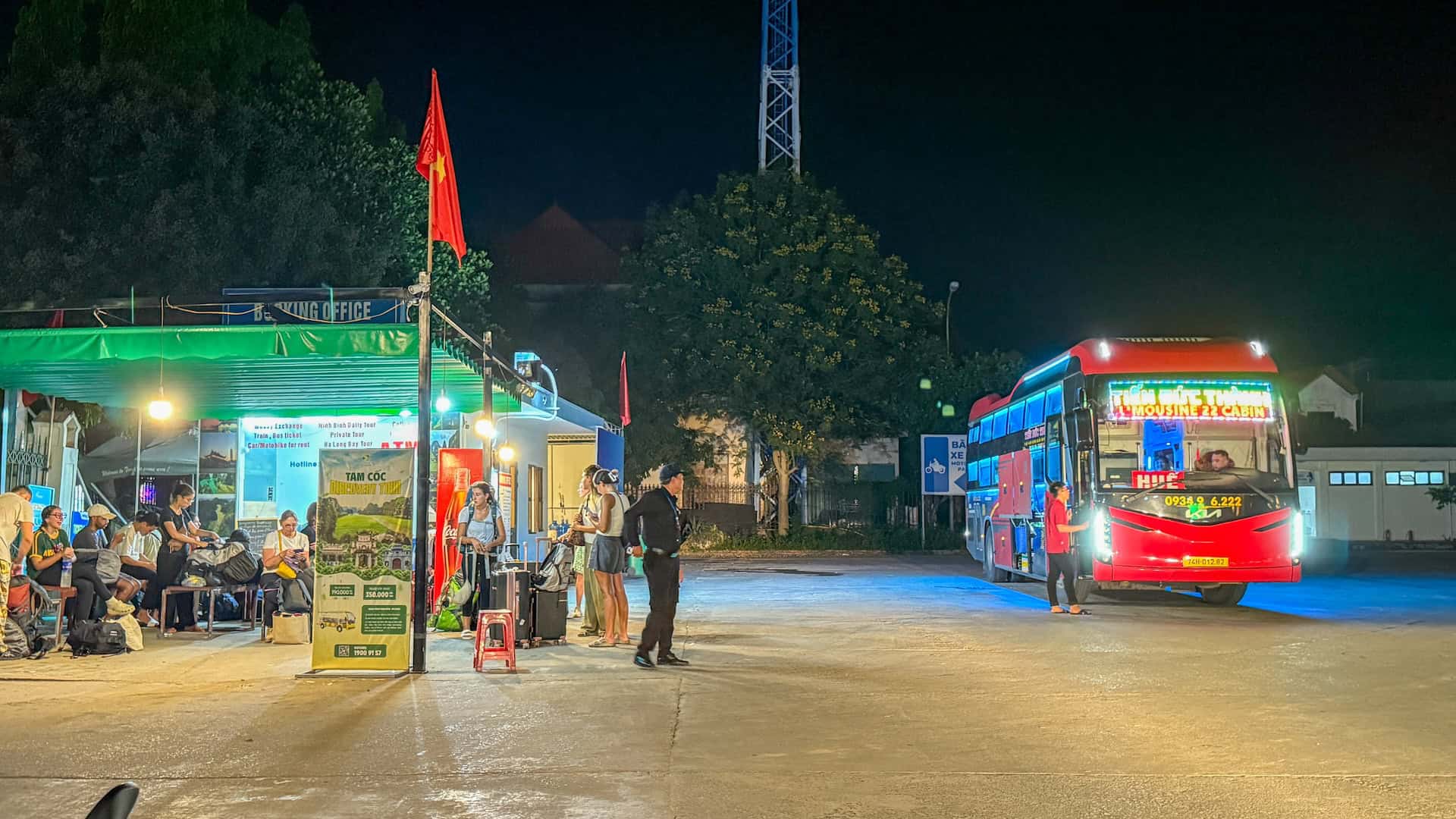
Guide to Surviving the Night Buses of Southeast Asia

Guide to Surviving the Sleeper Buses of Southeast Asia

Taking a sleeper bus in Southeast Asia is a rite of passage for any backpacker. You may have heard a few horror stories, from being left in the middle of nowhere to rude drivers. Still, I’ve taken sleeper buses all over Southeast Asia, and overall, I have had positive experiences. They are a great way to cover a long distance for a lower cost.

Types of Buses

Each bus is different, and no matter what you book, you will not be 100% sure what type of bus you are on until you show up. 

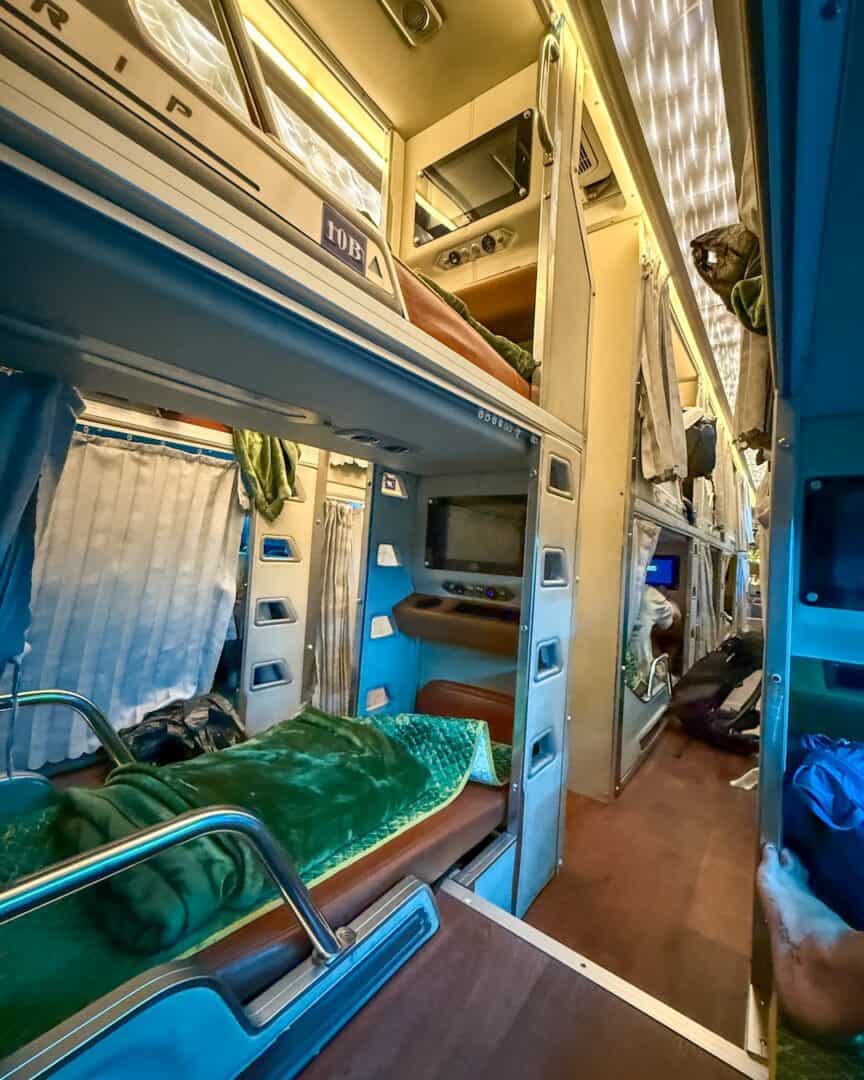
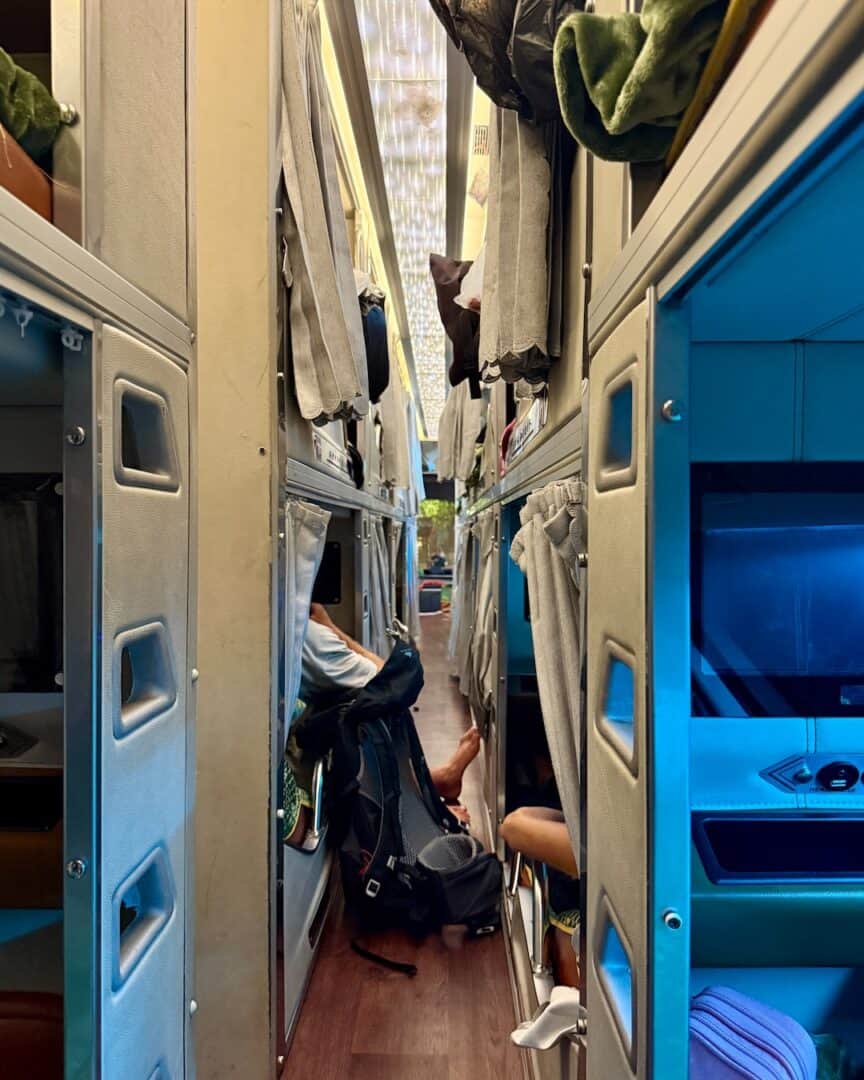
In general, there are three tiers. The top-tier “VIP” buses are arranged in a 1:1 configuration with an upper and lower berth. If given an option to book one bed for two people, I don’t recommend it. They are spacious for one but very tight for two, especially Westerners. The mid-range buses are in a 1:1:1 configuration with curtains. The lowest-class sleeper is in a 1:1:1 configuration with no curtains.

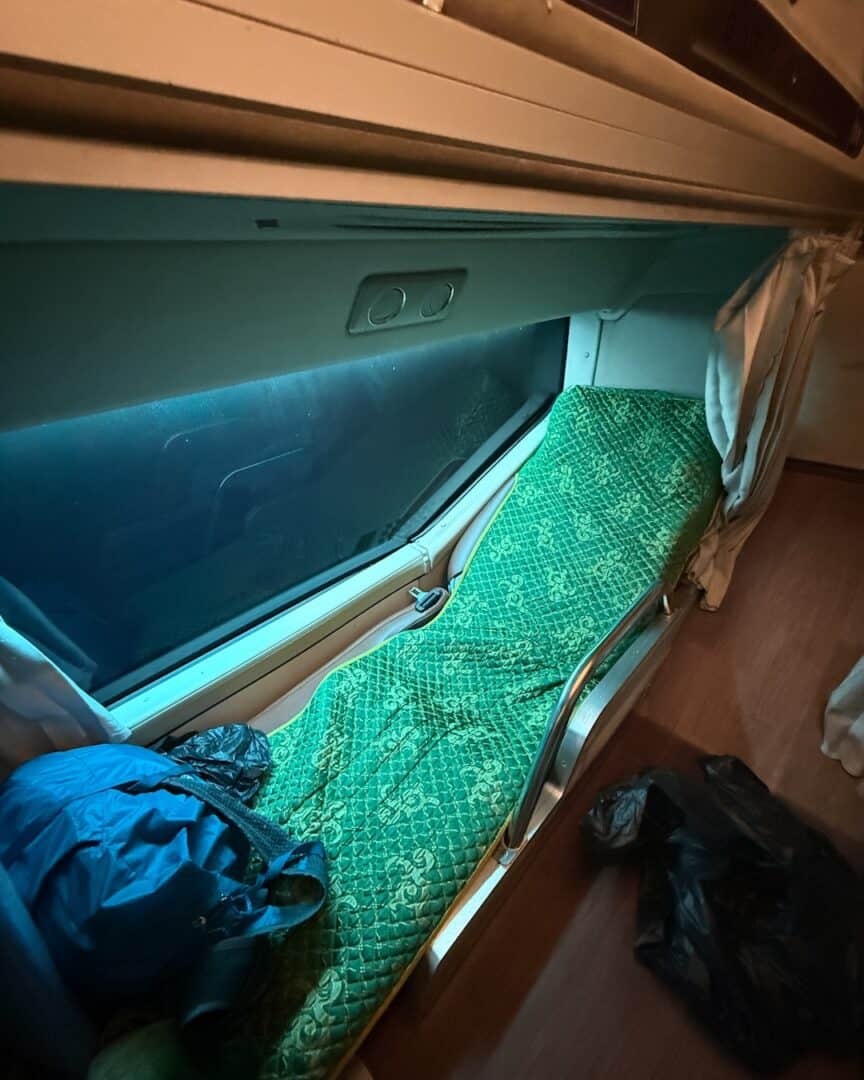
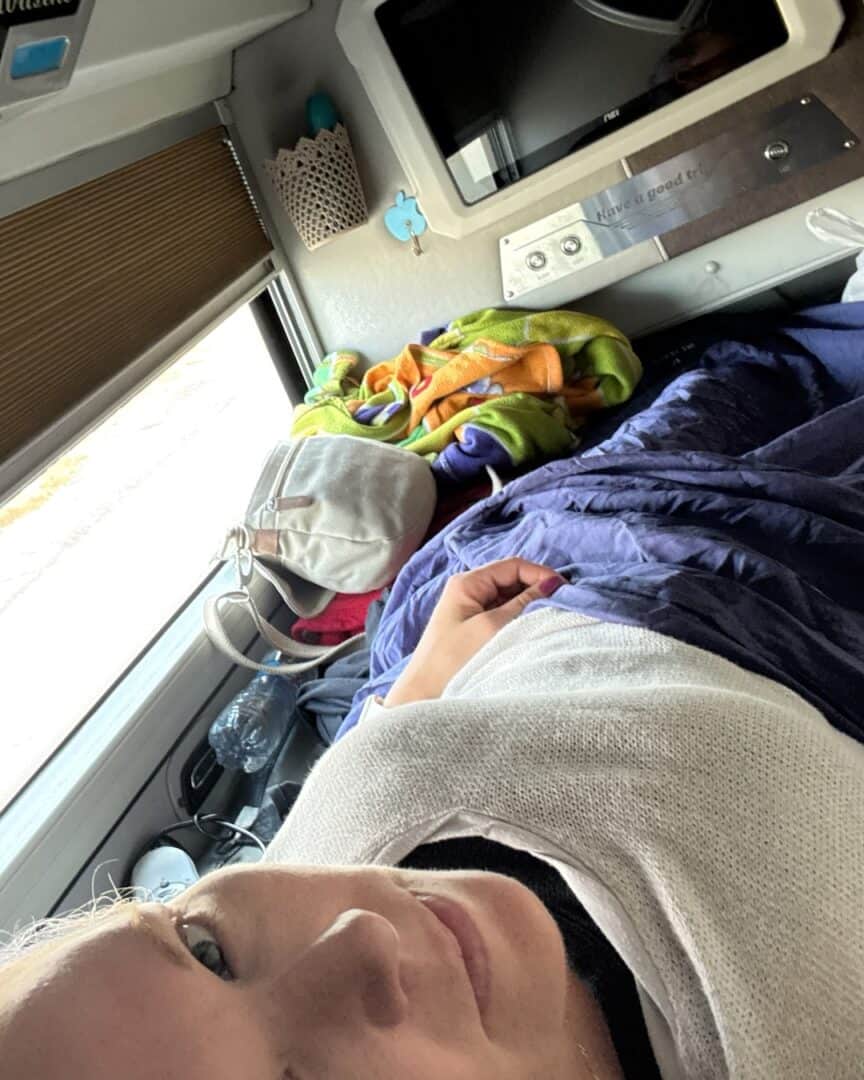
The bed is semi-reclined at about 30°. Some of the beds on the VIP buses convert into a sitting position, but the rest do not, so you could be stuck lying at a 30° angle. 

Packing List

  • Packing Essentials
  • Cash – For rest stops and pay-per-use bathrooms
  • Disinfectant Wipes and Tissues – For bathroom stops
  • Sleep Sheet/Blanket – If you don’t want to use the ones provided
  • External Battery – In case the USB ports don’t work
  • Eye Mask
  • Ear Plugs
  • Lock
  • Small Bills of Currency – For bathroom stops

FAQ’s

How to book tickets?

12Go.com is your go-to travel booking site in Asia. 

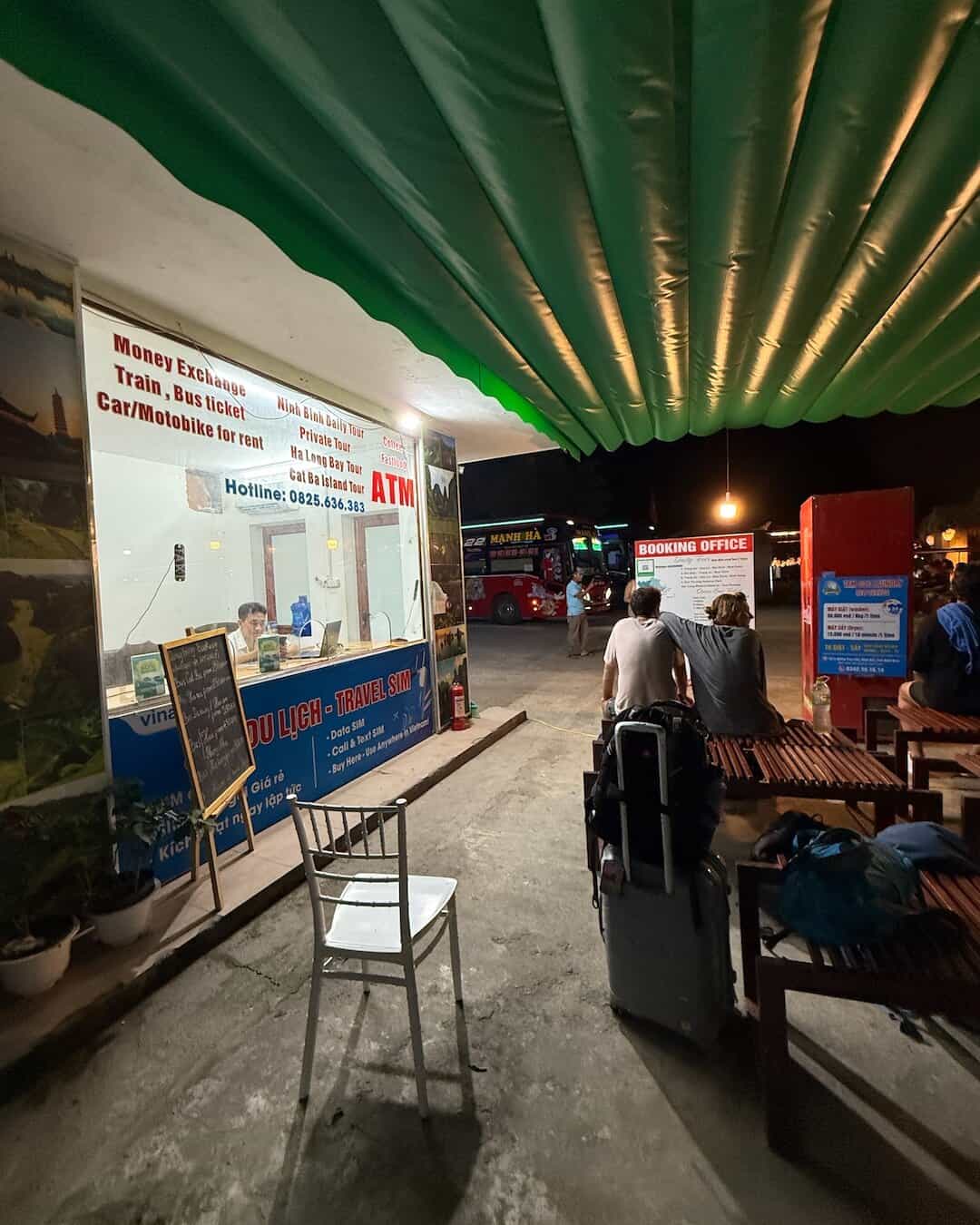
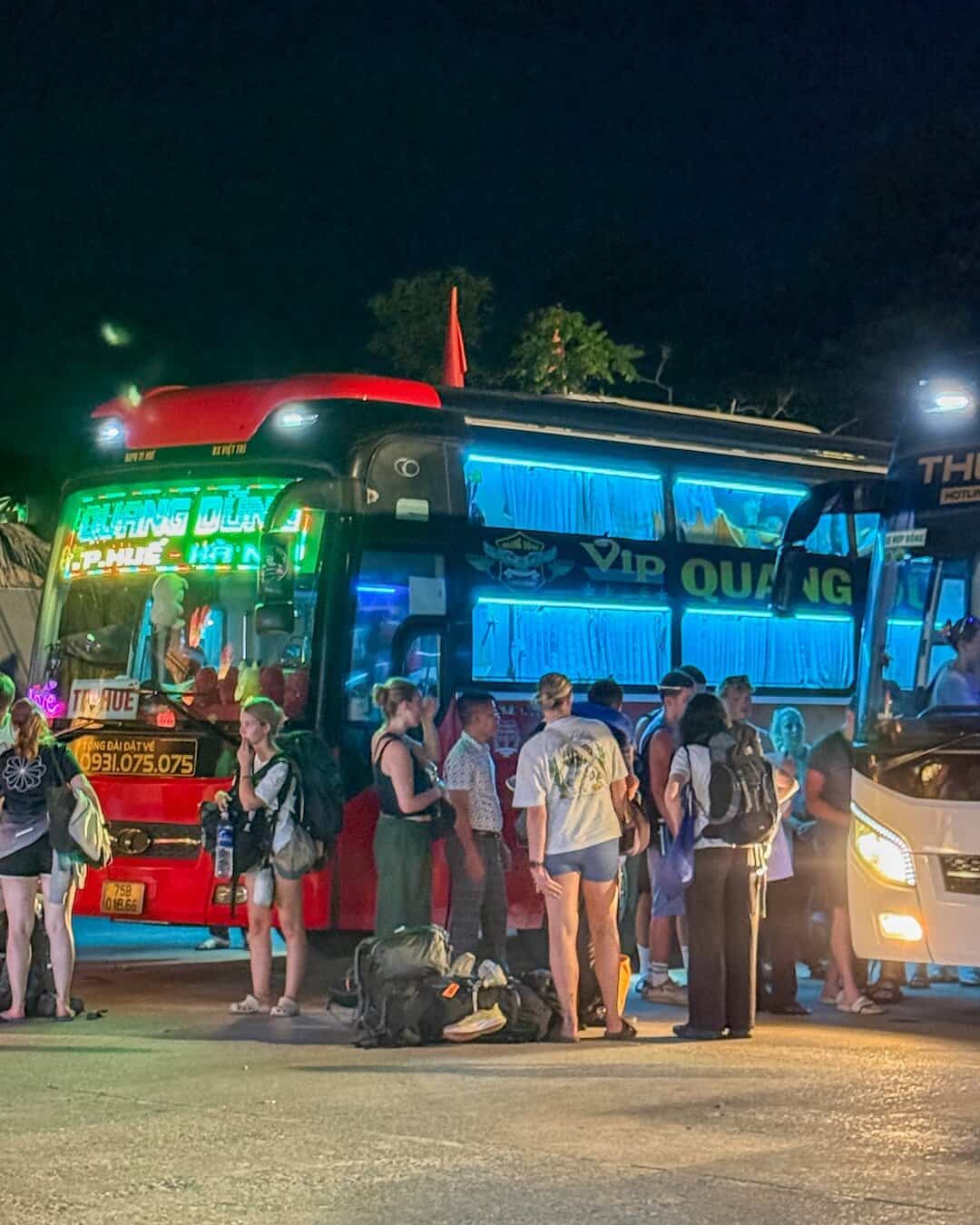
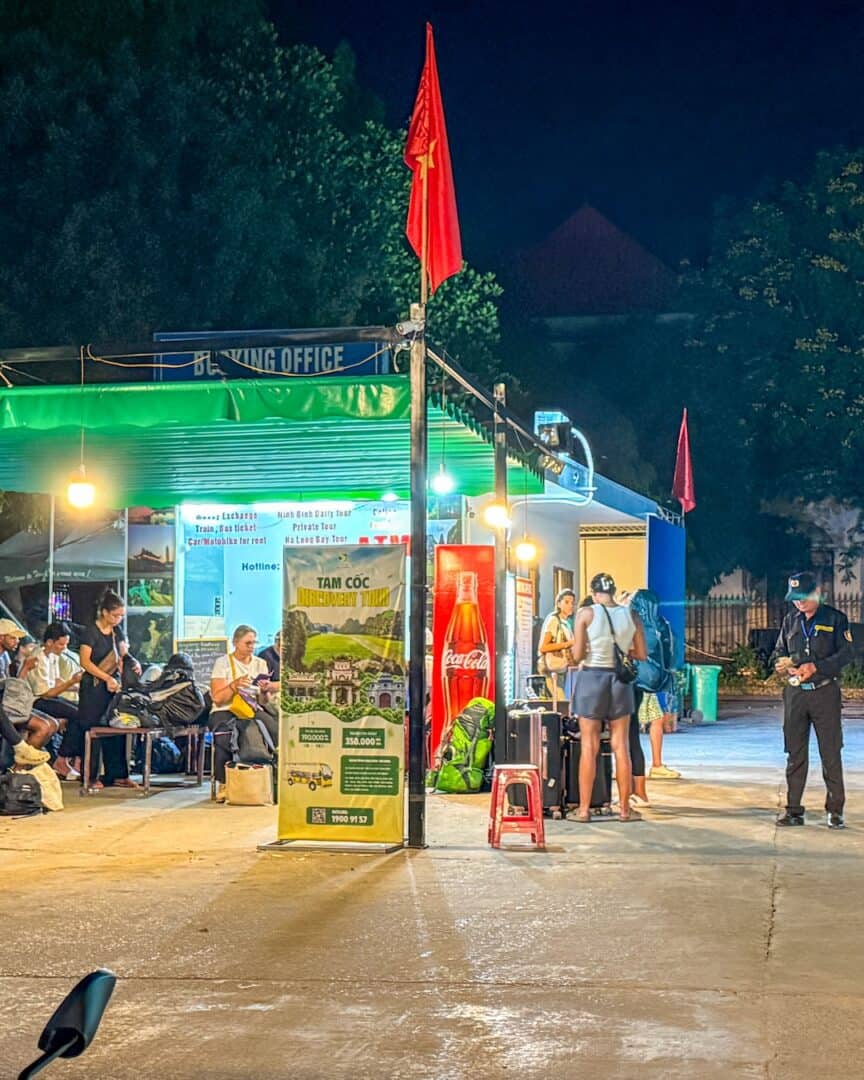
Pro Tip: When you book your ticket, it will have an address, but be flexible. Each bus company has different pickup and drop-off locations. The company will usually contact you via WhatsApp and confirm the pickup area. Still, one time, five minutes before my bus was scheduled to depart, the company notified me that the pickup had moved to the other side of town. Guide to Sleeper Buses in Asia

What can you expect on board?

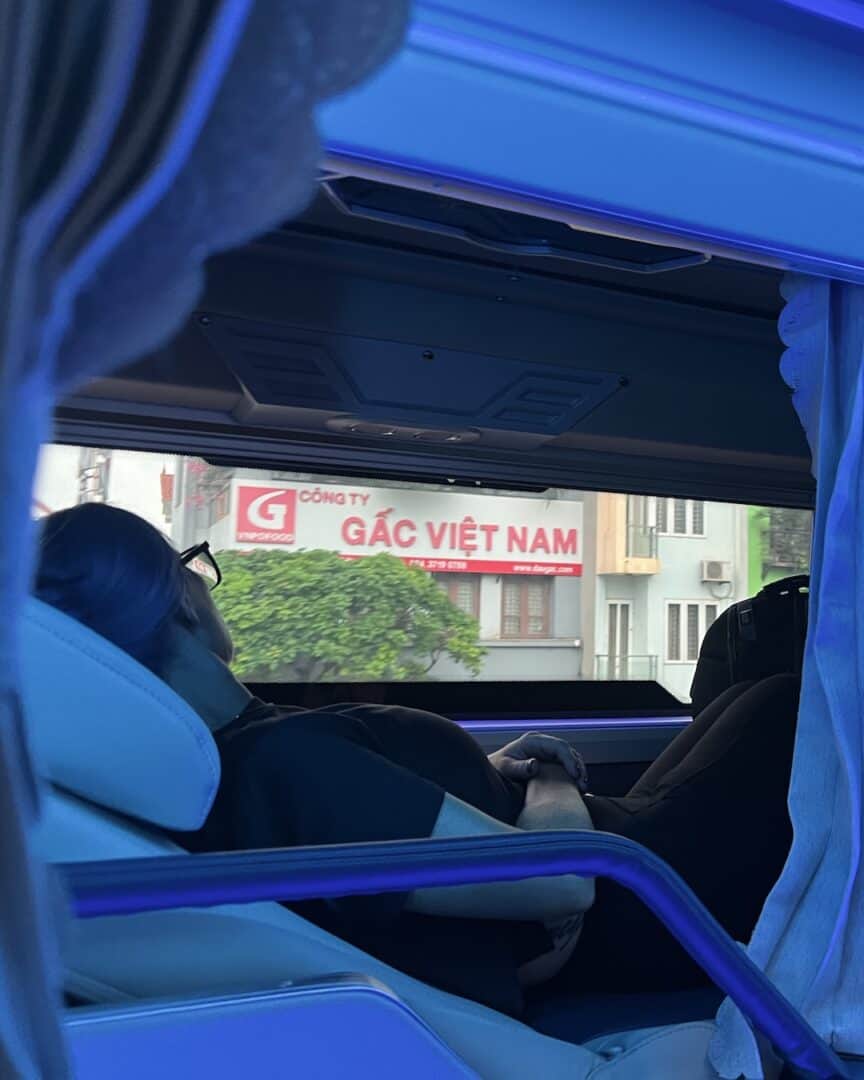
Expect to take your shoes off, and they will hand you a plastic bag to keep them in until you get off the bus. The buses have AC and can get cold. All of the buses provide blankets. When they last washed them is questionable, but I didn’t see any that were obviously dirty. I like to go with the motto: What you don’t look for can’t bother you. The bus will make random, quick stops to pick up or drop off a random person or package, so don’t be alarmed. 

Are there bathrooms on the sleeper buses?

Some of the buses have bathrooms, and some do not. I spent 4 hours holding my pee one time only to realize there was a bathroom in the back of the bus. If there is a bathroom, use it, as it will be cleaner than most that you encounter on the route. 

Does the bus make rest stops?

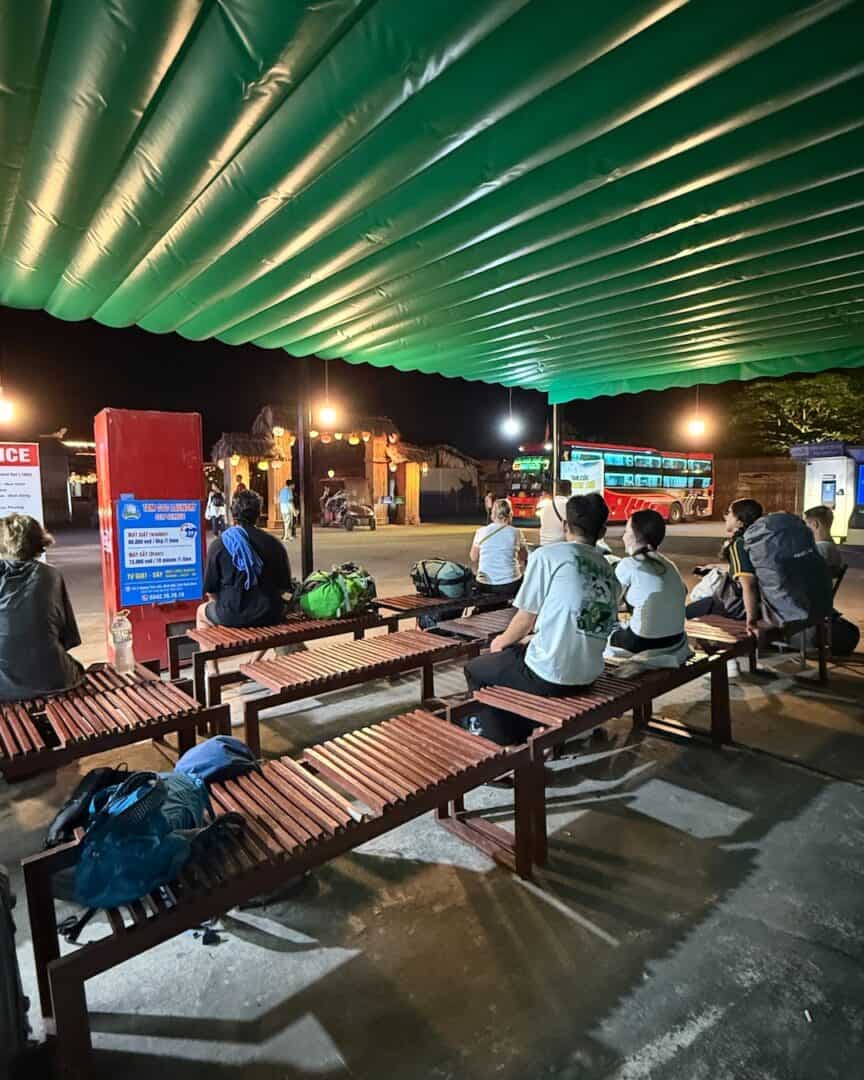
Every few hours, the bus will stop at a rest area for people to smoke and use the toilet if there isn’t one on board. These rest stops will have people selling food and souvenirs. Prepare to pay to use the toilet.

Will I sleep?

The roads are bumpy. And the drivers love to use their horns. They also love to either stop or turn on the light just when you finally fall asleep. Bring earplugs and an eye mask. And don’t be ashamed to use the seat belt, so you don’t slide everywhere.

Are sleeper buses on time?

In my experience, yes. Even when the bus was late picking me up, we still arrived on time or early at our destination. That said, I would not book a flight or tour the day you are supposed to arrive. Also, the time on your ticket may be the time a van picks you up to take you to a bus stop, where you wait another 30 minutes. They factor that into the total trip.
Guide to Surviving the Sleeper Buses of Southeast Asia

Are there chargers?

The mid-tier and VIP buses have USB chargers at your bed. Some even have USB-C. Don’t count on them working all the time, so bring a backup battery or portable charger.
Charging on a Sleeper Bus in Southeast Asia

Can you bring food or drinks onto the sleeper buses?

No. If the driver sees it, they will stop you, so hide your snacks before boarding.  Water is permitted.

What about my luggage?

Your bags are stored under the bus. Bring a lock for added security. Although some of the VIP buses have space for a bag by your feet, most buses have no space to put a large bag or backpack except under the bus. Pack a small bag with essentials. I had a small collapsible backpack that was perfect. Don’t expect to be able to get into your luggage during the trip. 

Are the sleeper buses safe?

Generally yes. Many of the negative comments surrounding sleeper buses are that the driver was driving erratically, or they were concerned that their driver was going to fall asleep. The bus drivers are definitely aggressive, and they love their horns, but I never felt unsafe. There are seatbelts for safety and to prevent you from falling out of bed during tight turns. All the night buses I have taken with long itineraries had two drivers, and they would take turns driving so one could rest.

Are there any additional tips I should know to survive sleeper buses in Southeast Asia?

Expect to feel lost and confused at times. However, remember that you are not the only one feeling that way. Make friends with your fellow travelers.

The sleeper buses in Southeast Asia are a great alternative to flying or taking the train. I recommend trying them at least once. Interested in train travel? Check out my review of train travel in Laos.

Guide to Surviving the Sleeper Buses of Southeast Asia Read More »